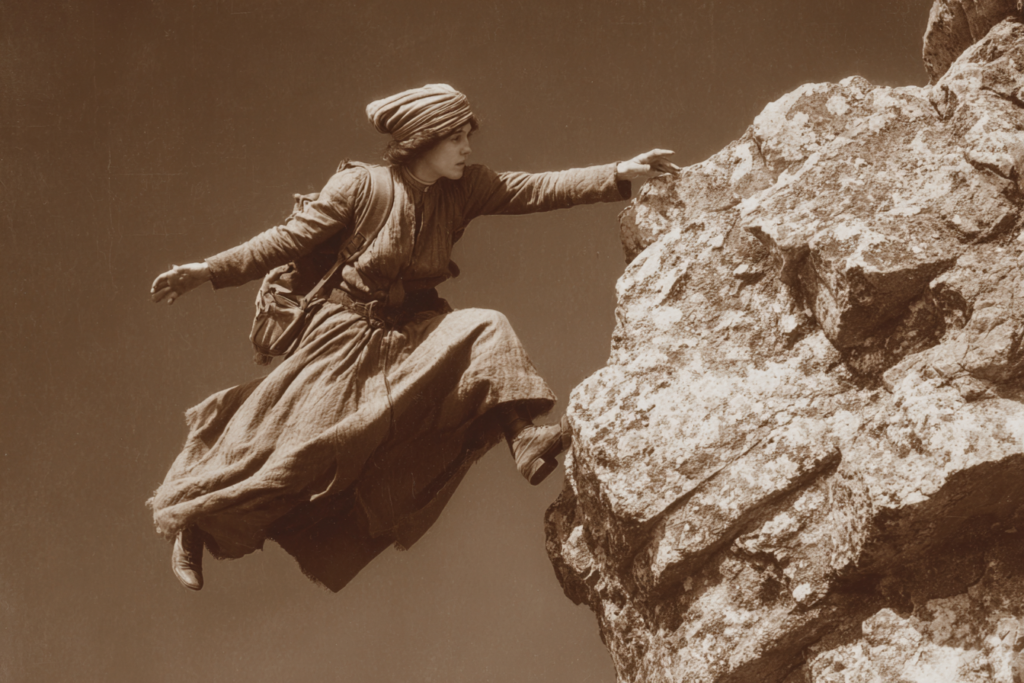
Never End on a Cliffhanger. Readers Hate Cliffhangers.
(No. Readers Hate Being Cheated.)
This is one of the most confidently repeated pieces of bad writing advice in circulation. It’s also provably false. Because if readers actually hated cliffhangers, series fiction would not exist.
The Real Distinction Everyone Misses
Readers don’t hate cliffhangers. Readers hate:
- Inconclusive books
- Withheld resolutions
- Artificial breaks where a story clearly isn’t finished
Those are not the same thing as a cliffhanger, but the internet treats them as interchangeable, and that’s where the damage happens. A cliffhanger is a promise. A cheat is a betrayal.
Why Readers Say They “Hate Cliffhangers”
When readers complain, what they’re usually reacting to is one of these:
- The central conflict of the book is not resolved
- The book ends mid-scene or mid-sentence
- The author clearly sliced a single novel into parts for pricing or release reasons
- The next book didn’t exist yet—or wasn’t mentioned
That’s not a cliffhanger. That’s a broken contract. Readers are absolutely justified in being annoyed by that.
What a Legitimate Cliffhanger Actually Does
A proper cliffhanger:
- Resolves the main problem of the current book
- Leaves a new problem or escalation unresolved
- Creates forward momentum, not confusion
- Makes the reader say, “Oh hell no, I need the next one”—not “Wait, what?”
Think less trapdoor, more hook in the ribs. The story doesn’t stop. It turns.
Why Series Readers React Differently
Here’s the part most advice ignores: Series readers are not standalones readers. They want:
- Long arcs
- Deferred gratification
- Ongoing tension
- Character consequences that roll forward
They don’t read for closure every 300 pages. They read for continuity. Which is why the same reader who swears they “hate cliffhangers” will:
- Binge a seven-book series
- Watch TV seasons that end on unresolved moments
- Pre-order the next book without blinking
The complaint isn’t about cliffhangers. It’s about trust.
The Rule That Actually Matters
Here’s the rule no one phrases correctly: Never end a book without paying off what you promised in that book.
That’s it. That’s the whole thing. You can end on:
- A revelation
- A reversal
- A looming threat
- A shocking consequence
- A door opening instead of closing
As long as the reader feels the book was complete, they’ll forgive—no, celebrate—the unresolved future.
Why This Bad Advice Persists
Because it’s easier to say: “Never end on a cliffhanger” than to explain:
- Story contracts
- Reader expectations
- Genre signaling
- Series psychology
- Structural payoff vs narrative continuation
Rules are lazy. Understanding is work.
Editor’s Bottom Line
If cliffhangers truly repelled readers, the publishing industry would have collapsed under the weight of unfinished series decades ago. Readers don’t hate cliffhangers. They hate being manipulated.
And once you understand that difference, you stop writing timid endings…and start writing compelling ones.
–Mark
PS: If you’d like to hear more about the subtle art of cliffhangers, my author wife, Tracy Cooper-Posey, wrote a post explaining cliffhangers to readers, here.