Marketing & Sales

The Most Valuable Reader You Will Ever Have

Discovery matters. Visibility matters. But the most valuable reader you’ll ever have isn’t the one who finds your book. It’s the one who chooses to stay connected after they do. Direct sales aren’t just about revenue—they’re about building relationships that can outlast platforms, algorithms, and marketplace changes.

Theme & Meaning

The Story Beneath the Story

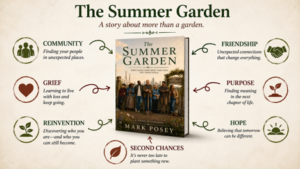
Every story has a plot. A detective solves a murder. A spaceship crew saves a colony. A retired man plants tomatoes. But the stories readers remember long after the last page are rarely about those events alone. Beneath the plot lies a deeper story—the emotional truth, the question being explored, the reason the story resonates. As an editor, one of the most important questions I can ask is: What is this story really about?

Publishing, The Writing Life

The Draft You Never See

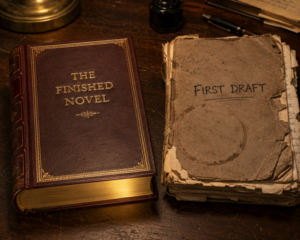
Every published novel has a hidden history. Behind every finished book are deleted scenes, rewritten chapters, abandoned plot lines, and countless small decisions that readers never see. The first draft may discover the story, but revision is where the story reveals what it was trying to become all along.

Publishing

Publishing Has Entered Its Horse Era

The indie gold rush is over. Publishing today feels less like striking it rich and more like pulling a plow through hard ground. Algorithms shift, discoverability shrinks, AI sludge floods storefronts, and the easy momentum is gone. But maybe that’s not a bad thing. Because hard eras reveal what actually matters: endurance, adaptability, direct relationships with readers, and authors willing to keep moving even when the road gets muddy. Welcome to publishing’s horse era.

Miscellaneous, Voice

Readers Can Feel the Difference

Readers are becoming more selective—and that may be very good news for skilled storytellers. In a marketplace flooded with rushed and disposable content, craftsmanship matters more than ever. Readers aren’t just consuming words. They’re investing trust. And trust is earned one sentence, one scene, and one book at a time.

Narrative

Introspective Narration: Brilliant Storytelling or Brake Pedal?

There’s a fine line between emotional depth and narrative quicksand. Introspective narration can elevate a story into something unforgettable—or bring the pacing to a grinding halt. The difference usually comes down to one question: is the reflection adding something the scene itself cannot? When done well, introspection deepens character and theme. When overused, it turns into literary speed bumps disguised as wisdom.

Plotting, Structure

The Three Writing Books I Return To Again and Again (And Why You Should, Too)

Some writing books give you tools. Others give you theory. The Writer’s Journey gives you something far more powerful: a map. Not a rigid formula, but a way to understand the emotional rhythms readers instinctively respond to—change, challenge, sacrifice, and transformation. When a story feels off, this framework can help you see what’s missing and why.

Plotting, Scenes, Structure

The Three Writing Books I Return To Again and Again (And Why You Should, Too)

Writers collect craft books the way other people collect unread classics and half-finished notebooks: with tremendous optimism and the vague sense that owning them counts as progress. But a few books earn their place beside the desk because they’re not just inspiring—they’re useful. In the first of this series, Mark looks at why The Story Grid has become one of the writing books he returns to again and again: because when a manuscript goes sideways, this is the book that explains why.

Miscellaneous

The Comfortable Manuscript Problem

There’s a point in many manuscripts where the story quietly pulls back. The conflict softens, the dialogue becomes safer, and characters make the reasonable choice instead of the revealing one. The result is a manuscript that is technically good—but often forgettable. The moments readers remember are rarely the comfortable ones.

Plotting, Stakes

The #1 Problem I See in Manuscripts Right Now

The most common problem I see in manuscripts right now isn’t bad prose or weak dialogue. It’s stories where the protagonist could simply walk away—and nothing meaningful would happen. If your character can shrug and go home, they probably should. So why don’t they?

Character

Why Stand By Me Still Works (When So Many Stories Don’t)

Why does Stand By Me still hit forty years later when so many stories vanish almost as soon as the credits roll? Because it isn’t built on spectacle or plot twists. It’s built on emotional truth. Four boys, one long walk, and a story that trusts us to care about the people more than the destination. That’s a rare thing. And maybe that’s why it still works.

Scroll to Top