Part Three
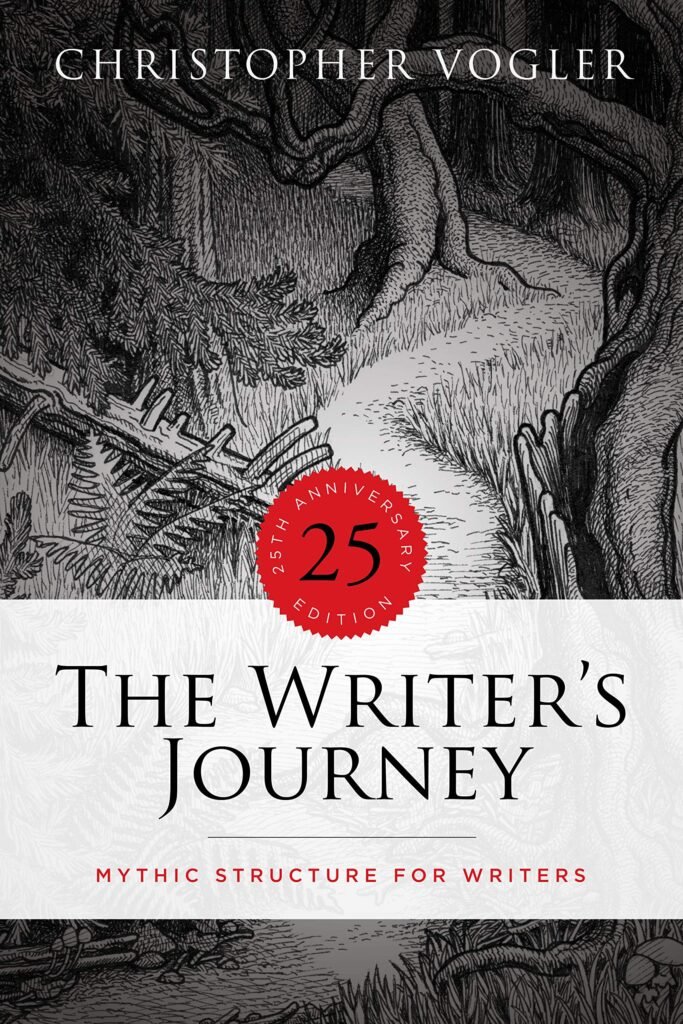
Why The Writer’s Journey by Christopher Vogler Is So Useful
Some writing books hand you tools. Some hand you theory. Christopher Vogler’s The Writer’s Journey hands you a map.
Based on Joseph Campbell’s work on mythic structure, Vogler translates timeless story patterns into something practical for modern writers. Heroes, mentors, thresholds, tests, allies, enemies, ordeals, transformation, return. The bones of stories we’ve been telling each other for a very long time.
And before anyone panics, no, this does not mean every novel must involve a farm boy, a prophecy, and an elderly man who dies at exactly the right motivational moment. It means readers instinctively understand certain emotional rhythms of story.
We recognize the call to adventure. We understand resistance to change. We respond to sacrifice, growth, revelation, courage, and earned transformation. These patterns endure because they reflect human experience, not because they’re a formula stamped out in a narrative factory.
What I value most in The Writer’s Journey is clarity.
When a draft feels shapeless, this book can reveal what may be missing. Has the protagonist truly crossed into a new world, or are they still wandering around chapter six with the same problems and better scenery? Have they been tested? Changed? Forced to confront themselves? Is there a meaningful return, or did the book simply stop? Those are useful questions.
It’s also particularly strong for character arc. Writers sometimes focus so hard on external events that they forget the internal movement. A person who ends exactly as they began may be realistic in life, but in fiction it often feels unsatisfying unless that lack of change is the point.
Vogler helps writers think in terms of transformation.
Now, like any framework, it can be misused. If applied rigidly, it becomes paint-by-numbers storytelling. Readers can feel that too. The goal is not to force every story into identical beats. The goal is to understand patterns deeply enough that you can use them with intention. That’s a very different thing.
If Story teaches dramatic principles and The Story Grid helps diagnose execution, The Writer’s Journey reminds us that stories are older than publishing categories and smarter than trends. They still speak the language of change.
And writers would do well to learn it.
— Mark