indie publishing

Structure, Suspense

What Serial Fiction Can Teach Writers

Most writers think of serial fiction as a publishing format. Mark Posey argues it is something even more valuable: a practical lesson in storytelling craft. Because every installment must earn a reader’s return, serial fiction exposes weaknesses in pacing, structure, and chapter endings that can hide inside a completed novel. The skills it teaches—curiosity, momentum, and reader engagement—strengthen every form of storytelling.


Marketing & Sales

The Most Valuable Reader You Will Ever Have

Discovery matters. Visibility matters. But the most valuable reader you’ll ever have isn’t the one who finds your book. It’s the one who chooses to stay connected after they do. Direct sales aren’t just about revenue—they’re about building relationships that can outlast platforms, algorithms, and marketplace changes.

Publishing

Publishing Has Entered Its Horse Era

The indie gold rush is over. Publishing today feels less like striking it rich and more like pulling a plow through hard ground. Algorithms shift, discoverability shrinks, AI sludge floods storefronts, and the easy momentum is gone. But maybe that’s not a bad thing. Because hard eras reveal what actually matters: endurance, adaptability, direct relationships with readers, and authors willing to keep moving even when the road gets muddy. Welcome to publishing’s horse era.

Miscellaneous, Voice

Readers Can Feel the Difference

Readers are becoming more selective—and that may be very good news for skilled storytellers. In a marketplace flooded with rushed and disposable content, craftsmanship matters more than ever. Readers aren’t just consuming words. They’re investing trust. And trust is earned one sentence, one scene, and one book at a time.

Editing

Before You Send Your Manuscript to an Editor

Typing “The End” feels like the finish line—but it’s actually the start of the next phase. Before you send your manuscript to an editor, there’s important work to do first. Let the story rest, read it again with fresh eyes, fix the obvious issues, and understand what type of editing your book really needs. The more polished your manuscript is before it reaches an editor, the more valuable—and effective—the editing process will be.

Editing

Why Good Editing Feels Invisible

Good editing doesn’t draw attention to itself. When it works, readers never notice it at all — they simply fall into the story. Editing isn’t about rewriting an author’s voice or showing off clever fixes. It’s about removing the friction that causes readers to hesitate, lose momentum, or quietly stop turning pages.

Editing

Your Editor Can’t Fix This (And You’re Paying Them To Try)

Writers sometimes send manuscripts to an editor hoping the edit will “make it work.” But when the foundation of the story is cracked — weak character arcs, passive scenes, or conflict happening offstage — no amount of line editing can fix it. Editing refines what already works; it doesn’t rebuild the structure. Knowing the difference can save writers money, frustration, and a lot of misplaced hope.

Plotting, Suspense

Cliffhangers

Readers don’t actually hate cliffhangers.
They hate being cheated.

What they’re reacting to isn’t tension or anticipation—it’s a broken promise. An ending that withholds resolution, slices a single story into artificial chunks, or stops mid-thought without delivering what the book itself set up isn’t a cliffhanger at all. It’s a contract breach.

A real cliffhanger resolves the story you promised to tell—and then opens the door to the next problem. It creates momentum, not confusion. When done right, the reader doesn’t feel tricked. They feel hooked.

Christmas scene with books 2
Miscellaneous

An Editor’s Christmas List (For His Writers)

What editors want for Christmas isn’t polish, perfection, or vibes—it’s finished books, clear storytelling, and writers who trust their readers enough to be specific and brave. An editor’s wish list for writers who want stronger stories, better partnerships, and a publishing year that actually gets books across the finish line.

Editing

Editing King Arthur (Again): Notes From the Once and Future Hearts Trenches

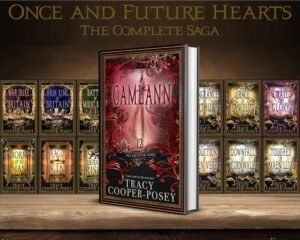
Editing a thirteen-book Arthurian saga isn’t for the faint of heart. Mark pulls back the curtain on his years in the trenches with Once and Future Hearts—from navigating character continuity and protecting authorial voice to the diplomatic art of asking, “Are you sure, Tracy?” as the finale, Camlann, heads into its early-release Kickstarter celebration.

Editor and author sharing a meal
Editing

We’re In A Relationship?

The editor-author relationship is professional and reciprocal: clear, honest feedback from the editor, and respect and understanding from the author. In the end, it’s your book — but professional editing comes with professional expectations.

Scroll to Top