manuscript revision

Plotting, Scenes, Structure

The Three Writing Books I Return To Again and Again (And Why You Should, Too)

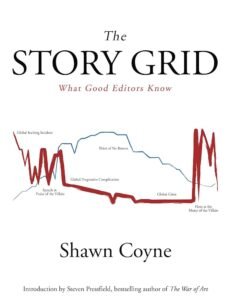
Writers collect craft books the way other people collect unread classics and half-finished notebooks: with tremendous optimism and the vague sense that owning them counts as progress. But a few books earn their place beside the desk because they’re not just inspiring—they’re useful. In the first of this series, Mark looks at why The Story Grid has become one of the writing books he returns to again and again: because when a manuscript goes sideways, this is the book that explains why.

Miscellaneous

The Comfortable Manuscript Problem

There’s a point in many manuscripts where the story quietly pulls back. The conflict softens, the dialogue becomes safer, and characters make the reasonable choice instead of the revealing one. The result is a manuscript that is technically good—but often forgettable. The moments readers remember are rarely the comfortable ones.

Editing

The Difference Between Revising and Editing

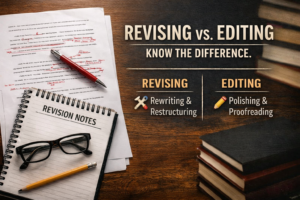
Many new writers use the words revision and editing as if they mean the same thing. They don’t. Revision is where you reshape the story itself—rewriting scenes, adjusting structure, and strengthening the core narrative. Editing comes later, once the story works, and focuses on polishing the language so the manuscript reads clearly and smoothly.

Editing

Your Editor Can’t Fix This (And You’re Paying Them To Try)

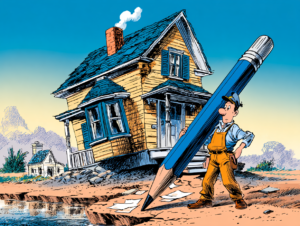
Writers sometimes send manuscripts to an editor hoping the edit will “make it work.” But when the foundation of the story is cracked — weak character arcs, passive scenes, or conflict happening offstage — no amount of line editing can fix it. Editing refines what already works; it doesn’t rebuild the structure. Knowing the difference can save writers money, frustration, and a lot of misplaced hope.

Scroll to Top