Stories Rule Press

Structure, Suspense

What Serial Fiction Can Teach Writers

Most writers think of serial fiction as a publishing format. Mark Posey argues it is something even more valuable: a practical lesson in storytelling craft. Because every installment must earn a reader’s return, serial fiction exposes weaknesses in pacing, structure, and chapter endings that can hide inside a completed novel. The skills it teaches—curiosity, momentum, and reader engagement—strengthen every form of storytelling.

Theme & Meaning

The Story Beneath the Story

Every story has a plot. A detective solves a murder. A spaceship crew saves a colony. A retired man plants tomatoes. But the stories readers remember long after the last page are rarely about those events alone. Beneath the plot lies a deeper story—the emotional truth, the question being explored, the reason the story resonates. As an editor, one of the most important questions I can ask is: What is this story really about?

Publishing, The Writing Life

The Draft You Never See

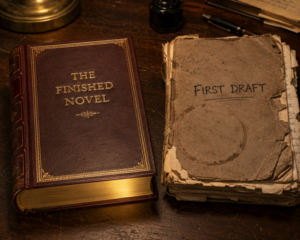
Every published novel has a hidden history. Behind every finished book are deleted scenes, rewritten chapters, abandoned plot lines, and countless small decisions that readers never see. The first draft may discover the story, but revision is where the story reveals what it was trying to become all along.

Publishing

Publishing Has Entered Its Horse Era

The indie gold rush is over. Publishing today feels less like striking it rich and more like pulling a plow through hard ground. Algorithms shift, discoverability shrinks, AI sludge floods storefronts, and the easy momentum is gone. But maybe that’s not a bad thing. Because hard eras reveal what actually matters: endurance, adaptability, direct relationships with readers, and authors willing to keep moving even when the road gets muddy. Welcome to publishing’s horse era.

Miscellaneous, Voice

Readers Can Feel the Difference

Readers are becoming more selective—and that may be very good news for skilled storytellers. In a marketplace flooded with rushed and disposable content, craftsmanship matters more than ever. Readers aren’t just consuming words. They’re investing trust. And trust is earned one sentence, one scene, and one book at a time.

Character

Why Stand By Me Still Works (When So Many Stories Don’t)

Why does Stand By Me still hit forty years later when so many stories vanish almost as soon as the credits roll? Because it isn’t built on spectacle or plot twists. It’s built on emotional truth. Four boys, one long walk, and a story that trusts us to care about the people more than the destination. That’s a rare thing. And maybe that’s why it still works.

Christmas scene with books 2
Miscellaneous

An Editor’s Christmas List (For His Writers)

What editors want for Christmas isn’t polish, perfection, or vibes—it’s finished books, clear storytelling, and writers who trust their readers enough to be specific and brave. An editor’s wish list for writers who want stronger stories, better partnerships, and a publishing year that actually gets books across the finish line.

Editing

Editing King Arthur (Again): Notes From the Once and Future Hearts Trenches

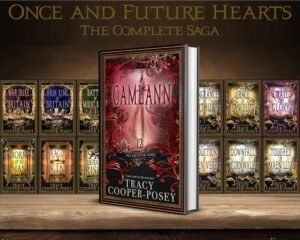
Editing a thirteen-book Arthurian saga isn’t for the faint of heart. Mark pulls back the curtain on his years in the trenches with Once and Future Hearts—from navigating character continuity and protecting authorial voice to the diplomatic art of asking, “Are you sure, Tracy?” as the finale, Camlann, heads into its early-release Kickstarter celebration.

Plotting, Suspense, Thrillers

Old School vs New School Spy Thrillers

There was a glorious time — not as far back as dinosaurs, but far enough that you had to physically turn a page — when spy thrillers were built on tension. Real tension. The slow-burn, creeping dread variety that made you lean forward until you realized your spine was doing yoga poses you didn’t sign up for.

These were the days of The Bourne Identity, the early Bond novels, and le Carré’s Tinker, Tailor, Soldier, Spy — stories powered by paranoia, not pyrotechnics. Today, spy thrillers have traded that slow dread for weaponized anxiety and smartwatch hacking. But both eras have something to teach us about how to build suspense that sticks.

Plotting

Mastering the Scene: Why Your Novel Depends on It

A novel isn’t a pile of words—it’s a chain of well-built scenes. This post breaks down the five parts of a powerful scene (from Inciting Incident to Resolution) and why scene craft is the difference between a draft and a publishable book.

Scroll to Top