story structure

Editing

Why Good Editing Feels Invisible

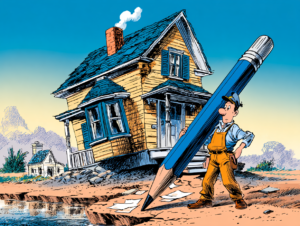
Good editing doesn’t draw attention to itself. When it works, readers never notice it at all — they simply fall into the story. Editing isn’t about rewriting an author’s voice or showing off clever fixes. It’s about removing the friction that causes readers to hesitate, lose momentum, or quietly stop turning pages.
Editing

Your Editor Can’t Fix This (And You’re Paying Them To Try)

Writers sometimes send manuscripts to an editor hoping the edit will “make it work.” But when the foundation of the story is cracked — weak character arcs, passive scenes, or conflict happening offstage — no amount of line editing can fix it. Editing refines what already works; it doesn’t rebuild the structure. Knowing the difference can save writers money, frustration, and a lot of misplaced hope.

Character, Theme & Meaning

“What’s It About?” — The Question That Makes Everything Easier

Writers love to add more scenes, more twists, more explosions… but half the time the real problem is simpler: we don’t actually know what the story is about.
Once you can answer three deceptively basic questions — What’s it about? What will the protagonist learn? How will they change? — the whole book snaps into focus. Plot becomes purposeful. Scenes stop wandering. And suddenly you’re not writing 300 pages of Stuff That Happens™ — you’re writing a story with meaning.

Character

The Power of Knowing Your Character’s Arc (Before You Start Writing)

Writing a story without understanding your main character’s arc is like driving cross-country blindfolded — you might arrive somewhere, but odds are it won’t be where you meant to go. Every protagonist travels an emotional and psychological path, changing (or refusing to change) because of the story’s events. When you understand that inner journey — and how it collides with the outer, plot-driven one — every scene gains purpose, every choice deepens meaning, and your rewrite count drops dramatically. Know your hero’s lie, the truth they need to learn, and what the story will throw at them to force that transformation. Everything else flows from there.Is this conversation helpful so far?

Character, Conflict

The Bigger They Are…

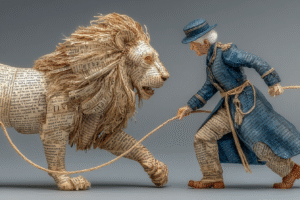
A “reasonable” villain might seem believable—but it’s also the fastest way to kill tension in your story. The best antagonists aren’t fair opponents; they’re towering, terrifying forces that make the hero dig deep and evolve. From Goliath to the Borg, it’s the impossible odds that make victory unforgettable.

Plotting

Mastering the Scene: Why Your Novel Depends on It

A novel isn’t a pile of words—it’s a chain of well-built scenes. This post breaks down the five parts of a powerful scene (from Inciting Incident to Resolution) and why scene craft is the difference between a draft and a publishable book.

Character

The Antagonist Doesn’t Think They’re the Bad Guy

A great antagonist isn’t a cartoon villain twirling a mustache—they’re someone who truly believes they’re right. The most compelling conflicts come when your villain’s goals clash with your hero’s in ways that feel uncomfortably relatable.

Scroll to Top