writers

Editing

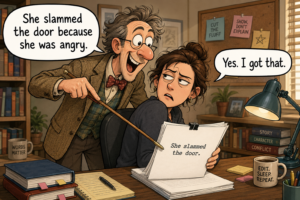
When the Writer Has Already Explained It

Readers are remarkably good at putting two and two together. Yet many writers, worried that a character’s emotions or motivations might not be obvious enough, add a sentence explaining what the reader has already understood. Those explanations rarely add clarity—they usually weaken the scene. Here’s how to recognize when you’re explaining the obvious, and when an explanation genuinely earns its place.

Character

There Are No Minor Characters

Some of the most memorable people in our lives were never the main characters. The same is true in fiction. If your supporting characters exist only to deliver information or move the plot along, your story misses an opportunity to create a richer, more believable world. Every character should feel like they have a life beyond the page.

Theme & Meaning

The Story Beneath the Story

Every story has a plot. A detective solves a murder. A spaceship crew saves a colony. A retired man plants tomatoes. But the stories readers remember long after the last page are rarely about those events alone. Beneath the plot lies a deeper story—the emotional truth, the question being explored, the reason the story resonates. As an editor, one of the most important questions I can ask is: What is this story really about?

Christmas scene with books 2
Miscellaneous

An Editor’s Christmas List (For His Writers)

What editors want for Christmas isn’t polish, perfection, or vibes—it’s finished books, clear storytelling, and writers who trust their readers enough to be specific and brave. An editor’s wish list for writers who want stronger stories, better partnerships, and a publishing year that actually gets books across the finish line.

Scroll to Top