writing craft

Character

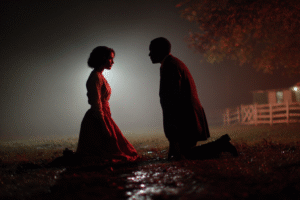
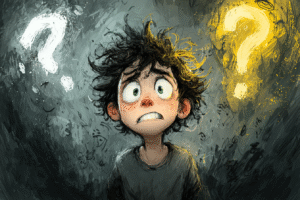
The Best Bad Choice: Why Impossible Decisions Make Great Fiction

Great fiction doesn’t come from easy wins—it comes from impossible choices. When your protagonist is forced to pick between two equally awful options, the story stops being about “victory” and starts being about what they’re willing to lose. That’s when stakes rise, true character is revealed, and readers stay glued to the page.

Character, Plotting

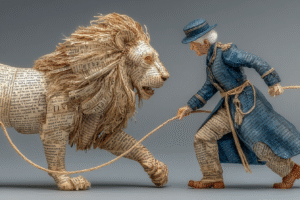
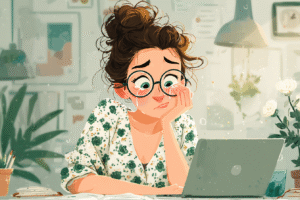
If You’re Not Crying, You’re Doing It Wrong

Writing fiction should make you feel something. If you’re not laughing, crying, or at least smirking at your own words, your readers won’t either. Emotional resonance starts with the writer. From cardboard characters to scenes that don’t belong, here are five reasons your story might be falling flat—and what to do about it.

Character

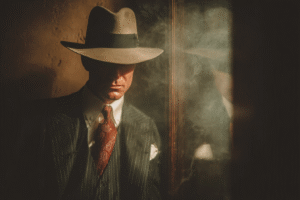
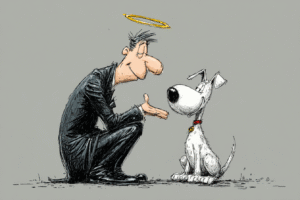
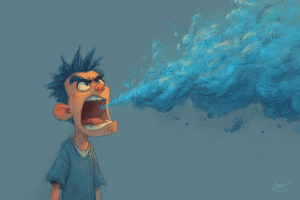
The Antagonist Doesn’t Think They’re the Bad Guy

A great antagonist isn’t a cartoon villain twirling a mustache—they’re someone who truly believes they’re right. The most compelling conflicts come when your villain’s goals clash with your hero’s in ways that feel uncomfortably relatable.

Blog, Dialogue

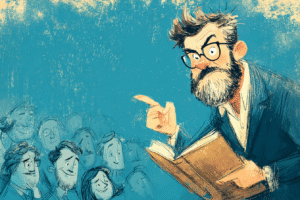
One Simple Trick to Make Your Dialogue Instantly Stronger

Struggling with clunky conversations or over-the-top dialogue tags? Clean, compelling dialogue doesn’t just sound real — it works hard to reveal character, build tension, and move your story forward. Here’s how to write dialogue that earns its place on the page.

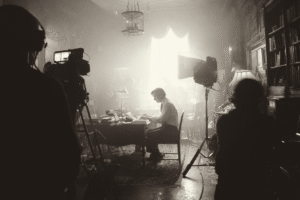
Editor and author sharing a meal
Editing

We’re In A Relationship?

The editor-author relationship is professional and reciprocal: clear, honest feedback from the editor, and respect and understanding from the author. In the end, it’s your book — but professional editing comes with professional expectations.

Scroll to Top