authors

Character

Stop Introducing Your Characters

Stop introducing your characters. Readers don’t want a list of traits—they want the pleasure of discovering who someone is through action, dialogue, and the little details that make a story feel real. Trust your readers to connect the dots, and your fiction will become stronger, faster, and far more engaging.


Editing

Trust Your Reader

Readers are smarter than many writers give them credit for. When we explain every emotion, clue, or joke, we take away one of reading’s greatest pleasures: discovering the story for themselves. Sometimes the best editing advice is also the simplest—trust your reader.

Editing

Why Good Writing Is Usually Rewriting

Most writers love writing but dread rewriting. Yet revision isn’t evidence the first draft failed—it’s where good stories become great ones. Like weeding a garden, editing isn’t about destroying what you’ve grown. It’s about giving the best parts room to flourish.

Theme & Meaning

The Story Beneath the Story

Every story has a plot. A detective solves a murder. A spaceship crew saves a colony. A retired man plants tomatoes. But the stories readers remember long after the last page are rarely about those events alone. Beneath the plot lies a deeper story—the emotional truth, the question being explored, the reason the story resonates. As an editor, one of the most important questions I can ask is: What is this story really about?

Publishing, The Writing Life

The Draft You Never See

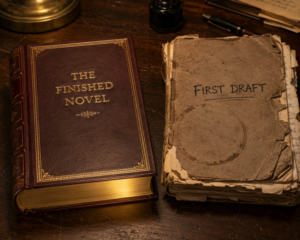
Every published novel has a hidden history. Behind every finished book are deleted scenes, rewritten chapters, abandoned plot lines, and countless small decisions that readers never see. The first draft may discover the story, but revision is where the story reveals what it was trying to become all along.

Scroll to Top