revision process

Miscellaneous

The Comfortable Manuscript Problem

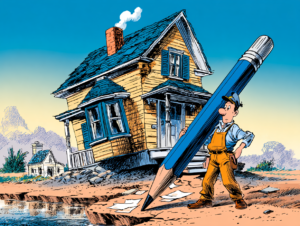
There’s a point in many manuscripts where the story quietly pulls back. The conflict softens, the dialogue becomes safer, and characters make the reasonable choice instead of the revealing one. The result is a manuscript that is technically good—but often forgettable. The moments readers remember are rarely the comfortable ones.
Editing

The Difference Between Revising and Editing

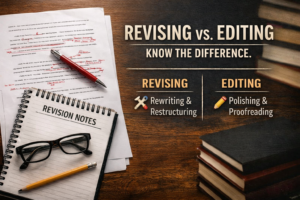
Many new writers use the words revision and editing as if they mean the same thing. They don’t. Revision is where you reshape the story itself—rewriting scenes, adjusting structure, and strengthening the core narrative. Editing comes later, once the story works, and focuses on polishing the language so the manuscript reads clearly and smoothly.

Openings, Structure

Why Most Manuscripts Fail in Chapter One

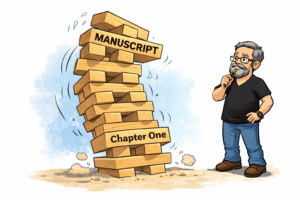
Most manuscripts don’t fail because the author lacks talent—they fail because Chapter One doesn’t do its job. Chapter One isn’t a warm-up, a weather report, or a backstory dump. It’s a promise to the reader about what kind of story they’re about to experience. If nothing is off-balance, nothing is at risk, and nothing is changing, the reader is left asking the most dangerous question in fiction: Why am I here?

Editing

Your Editor Can’t Fix This (And You’re Paying Them To Try)

Writers sometimes send manuscripts to an editor hoping the edit will “make it work.” But when the foundation of the story is cracked — weak character arcs, passive scenes, or conflict happening offstage — no amount of line editing can fix it. Editing refines what already works; it doesn’t rebuild the structure. Knowing the difference can save writers money, frustration, and a lot of misplaced hope.

Scroll to Top