writing process

Editing, Miscellaneous

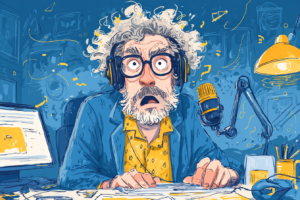
Why Dictated Manuscripts Require a Different Kind of Edit

Dictation can capture the natural rhythm and momentum of storytelling—but spoken language doesn’t always translate cleanly to the page. Here’s why dictated manuscripts need a different editorial approach, and how careful editing preserves the author’s voice while shaping it into clear, compelling prose.

Editing

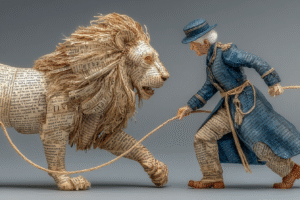
Five Things Editors Wish Writers Knew

After you’ve been editing fiction for a while, patterns emerge — not in the stories, but in the expectations writers bring to the process. Editing isn’t about fixing broken books or policing commas. It’s about helping a manuscript work the way the author intended: with clarity, emotional logic, and structural strength. Here are five things editors quietly wish every writer understood before the red pen ever comes out.

Plotting

Mastering the Scene: Why Your Novel Depends on It

A novel isn’t a pile of words—it’s a chain of well-built scenes. This post breaks down the five parts of a powerful scene (from Inciting Incident to Resolution) and why scene craft is the difference between a draft and a publishable book.

Character, Plotting

If You’re Not Crying, You’re Doing It Wrong

Writing fiction should make you feel something. If you’re not laughing, crying, or at least smirking at your own words, your readers won’t either. Emotional resonance starts with the writer. From cardboard characters to scenes that don’t belong, here are five reasons your story might be falling flat—and what to do about it.

Scroll to Top