writing process

Structure, Suspense

What Serial Fiction Can Teach Writers

Most writers think of serial fiction as a publishing format. Mark Posey argues it is something even more valuable: a practical lesson in storytelling craft. Because every installment must earn a reader’s return, serial fiction exposes weaknesses in pacing, structure, and chapter endings that can hide inside a completed novel. The skills it teaches—curiosity, momentum, and reader engagement—strengthen every form of storytelling.

Theme & Meaning

The Story Beneath the Story

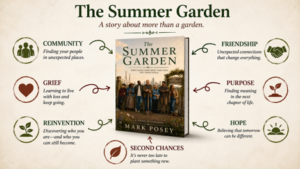
Every story has a plot. A detective solves a murder. A spaceship crew saves a colony. A retired man plants tomatoes. But the stories readers remember long after the last page are rarely about those events alone. Beneath the plot lies a deeper story—the emotional truth, the question being explored, the reason the story resonates. As an editor, one of the most important questions I can ask is: What is this story really about?

Publishing, The Writing Life

The Draft You Never See

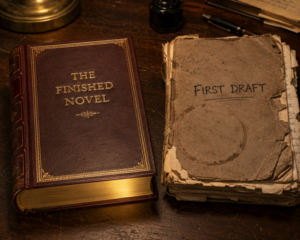
Every published novel has a hidden history. Behind every finished book are deleted scenes, rewritten chapters, abandoned plot lines, and countless small decisions that readers never see. The first draft may discover the story, but revision is where the story reveals what it was trying to become all along.

Miscellaneous, Voice

Readers Can Feel the Difference

Readers are becoming more selective—and that may be very good news for skilled storytellers. In a marketplace flooded with rushed and disposable content, craftsmanship matters more than ever. Readers aren’t just consuming words. They’re investing trust. And trust is earned one sentence, one scene, and one book at a time.

Plotting, Scenes, Structure

The Three Writing Books I Return To Again and Again (And Why You Should, Too)

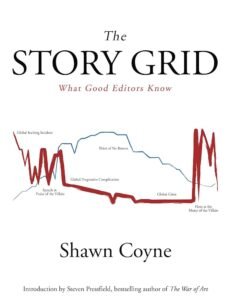
Writers collect craft books the way other people collect unread classics and half-finished notebooks: with tremendous optimism and the vague sense that owning them counts as progress. But a few books earn their place beside the desk because they’re not just inspiring—they’re useful. In the first of this series, Mark looks at why The Story Grid has become one of the writing books he returns to again and again: because when a manuscript goes sideways, this is the book that explains why.

Editing

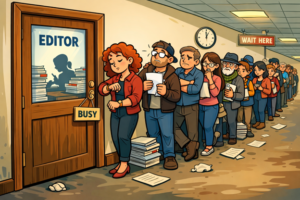
Your Editor Isn’t Waiting—And That’s a Good Thing

If you’re waiting until your manuscript is finished before thinking about editing, you’re already behind. Editors don’t work on demand—they book weeks or months in advance to give every project the attention it deserves. The writers who stay on track? They treat editing as part of their production pipeline, not the final step.

Editing

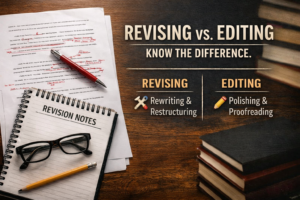
The Difference Between Revising and Editing

Many new writers use the words revision and editing as if they mean the same thing. They don’t. Revision is where you reshape the story itself—rewriting scenes, adjusting structure, and strengthening the core narrative. Editing comes later, once the story works, and focuses on polishing the language so the manuscript reads clearly and smoothly.

Editing

Before You Send Your Manuscript to an Editor

Typing “The End” feels like the finish line—but it’s actually the start of the next phase. Before you send your manuscript to an editor, there’s important work to do first. Let the story rest, read it again with fresh eyes, fix the obvious issues, and understand what type of editing your book really needs. The more polished your manuscript is before it reaches an editor, the more valuable—and effective—the editing process will be.

Editing, Miscellaneous

Why Dictated Manuscripts Require a Different Kind of Edit

Dictation can capture the natural rhythm and momentum of storytelling—but spoken language doesn’t always translate cleanly to the page. Here’s why dictated manuscripts need a different editorial approach, and how careful editing preserves the author’s voice while shaping it into clear, compelling prose.

Editing

Five Things Editors Wish Writers Knew

After you’ve been editing fiction for a while, patterns emerge — not in the stories, but in the expectations writers bring to the process. Editing isn’t about fixing broken books or policing commas. It’s about helping a manuscript work the way the author intended: with clarity, emotional logic, and structural strength. Here are five things editors quietly wish every writer understood before the red pen ever comes out.

Plotting

Mastering the Scene: Why Your Novel Depends on It

A novel isn’t a pile of words—it’s a chain of well-built scenes. This post breaks down the five parts of a powerful scene (from Inciting Incident to Resolution) and why scene craft is the difference between a draft and a publishable book.

Character, Plotting

If You’re Not Crying, You’re Doing It Wrong

Writing fiction should make you feel something. If you’re not laughing, crying, or at least smirking at your own words, your readers won’t either. Emotional resonance starts with the writer. From cardboard characters to scenes that don’t belong, here are five reasons your story might be falling flat—and what to do about it.

Scroll to Top