writing tips

Plotting, Scenes, Structure

The Three Writing Books I Return To Again and Again (And Why You Should, Too)

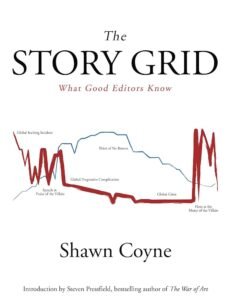
Writers collect craft books the way other people collect unread classics and half-finished notebooks: with tremendous optimism and the vague sense that owning them counts as progress. But a few books earn their place beside the desk because they’re not just inspiring—they’re useful. In the first of this series, Mark looks at why The Story Grid has become one of the writing books he returns to again and again: because when a manuscript goes sideways, this is the book that explains why.

Plotting, Stakes

The #1 Problem I See in Manuscripts Right Now

The most common problem I see in manuscripts right now isn’t bad prose or weak dialogue. It’s stories where the protagonist could simply walk away—and nothing meaningful would happen. If your character can shrug and go home, they probably should. So why don’t they?

Editing

Before You Send Your Manuscript to an Editor

Typing “The End” feels like the finish line—but it’s actually the start of the next phase. Before you send your manuscript to an editor, there’s important work to do first. Let the story rest, read it again with fresh eyes, fix the obvious issues, and understand what type of editing your book really needs. The more polished your manuscript is before it reaches an editor, the more valuable—and effective—the editing process will be.

Openings, Structure

Why Most Manuscripts Fail in Chapter One

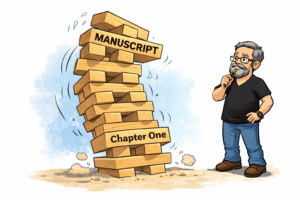
Most manuscripts don’t fail because the author lacks talent—they fail because Chapter One doesn’t do its job. Chapter One isn’t a warm-up, a weather report, or a backstory dump. It’s a promise to the reader about what kind of story they’re about to experience. If nothing is off-balance, nothing is at risk, and nothing is changing, the reader is left asking the most dangerous question in fiction: Why am I here?

Character, Scenes, Setting

Why Your Scene’s Setting Matters More Than You Think

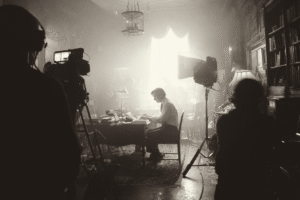
Setting isn’t wallpaper. It’s the emotional engine under every scene you write. A confession uttered beneath stained-glass saints is a completely different moment than one whispered in the soft half-light of a bedroom — same words, wildly different meaning. If a scene feels limp, nine times out of ten the setting is the culprit. Make the room work just as hard as the characters, and suddenly the whole story sharpens.

Plotting, Suspense, Thrillers

Old School vs New School Spy Thrillers

There was a glorious time — not as far back as dinosaurs, but far enough that you had to physically turn a page — when spy thrillers were built on tension. Real tension. The slow-burn, creeping dread variety that made you lean forward until you realized your spine was doing yoga poses you didn’t sign up for.

These were the days of The Bourne Identity, the early Bond novels, and le Carré’s Tinker, Tailor, Soldier, Spy — stories powered by paranoia, not pyrotechnics. Today, spy thrillers have traded that slow dread for weaponized anxiety and smartwatch hacking. But both eras have something to teach us about how to build suspense that sticks.

Character, Conflict

The Two Sides of Conflict: Why Your Story Needs Both

Conflict is the heartbeat of fiction—but not all conflict is created equal. External conflict drives your plot forward, while internal conflict drives your character’s growth. When you make those two forces feed each other, your story hits harder and lingers longer.

Character, Plotting

If You’re Not Crying, You’re Doing It Wrong

Writing fiction should make you feel something. If you’re not laughing, crying, or at least smirking at your own words, your readers won’t either. Emotional resonance starts with the writer. From cardboard characters to scenes that don’t belong, here are five reasons your story might be falling flat—and what to do about it.

Blog, Dialogue

One Simple Trick to Make Your Dialogue Instantly Stronger

Struggling with clunky conversations or over-the-top dialogue tags? Clean, compelling dialogue doesn’t just sound real — it works hard to reveal character, build tension, and move your story forward. Here’s how to write dialogue that earns its place on the page.

Scroll to Top