indie authors

Theme & Meaning

The Story Beneath the Story

Every story has a plot. A detective solves a murder. A spaceship crew saves a colony. A retired man plants tomatoes. But the stories readers remember long after the last page are rarely about those events alone. Beneath the plot lies a deeper story—the emotional truth, the question being explored, the reason the story resonates. As an editor, one of the most important questions I can ask is: What is this story really about?

Publishing, The Writing Life

The Draft You Never See

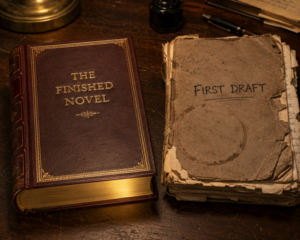
Every published novel has a hidden history. Behind every finished book are deleted scenes, rewritten chapters, abandoned plot lines, and countless small decisions that readers never see. The first draft may discover the story, but revision is where the story reveals what it was trying to become all along.

Publishing

Publishing Has Entered Its Horse Era

The indie gold rush is over. Publishing today feels less like striking it rich and more like pulling a plow through hard ground. Algorithms shift, discoverability shrinks, AI sludge floods storefronts, and the easy momentum is gone. But maybe that’s not a bad thing. Because hard eras reveal what actually matters: endurance, adaptability, direct relationships with readers, and authors willing to keep moving even when the road gets muddy. Welcome to publishing’s horse era.

Editing

Your Editor Isn’t Waiting—And That’s a Good Thing

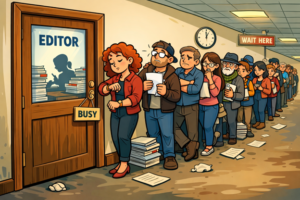
If you’re waiting until your manuscript is finished before thinking about editing, you’re already behind. Editors don’t work on demand—they book weeks or months in advance to give every project the attention it deserves. The writers who stay on track? They treat editing as part of their production pipeline, not the final step.

Openings, Structure

Why Most Manuscripts Fail in Chapter One

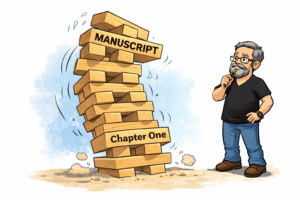
Most manuscripts don’t fail because the author lacks talent—they fail because Chapter One doesn’t do its job. Chapter One isn’t a warm-up, a weather report, or a backstory dump. It’s a promise to the reader about what kind of story they’re about to experience. If nothing is off-balance, nothing is at risk, and nothing is changing, the reader is left asking the most dangerous question in fiction: Why am I here?

Editing, Miscellaneous

Why Dictated Manuscripts Require a Different Kind of Edit

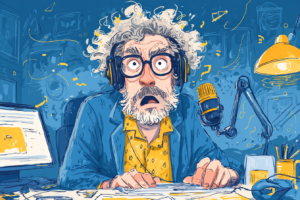
Dictation can capture the natural rhythm and momentum of storytelling—but spoken language doesn’t always translate cleanly to the page. Here’s why dictated manuscripts need a different editorial approach, and how careful editing preserves the author’s voice while shaping it into clear, compelling prose.

Editing

The Editing Queue Just Filled Up

If you’ve been thinking, “I should probably get a quote…” — this is your nudge. Editing queues don’t fill in tidy rows; they arrive in waves, overlap, and shift. And once the calendar is full, the only honest answer for new clients is: your start date will be later than you hoped.

Editing

Five Things Editors Wish Writers Knew

After you’ve been editing fiction for a while, patterns emerge — not in the stories, but in the expectations writers bring to the process. Editing isn’t about fixing broken books or policing commas. It’s about helping a manuscript work the way the author intended: with clarity, emotional logic, and structural strength. Here are five things editors quietly wish every writer understood before the red pen ever comes out.

Miscellaneous

Anyone Quoting Black-and-White “Rules” About Writing Is Full of Crap

If someone is handing you absolute, black-and-white “rules” about writing, they’re full of crap.
Most of those commandments started life as reasonable cautions… before nuance died somewhere between a conference panel and a poorly edited podcast rant.

Real editors don’t enforce rules.
Real editors ask one question: Is this working for this story, this audience, this moment?

Follow every so-called rule perfectly and you won’t write a great book — you’ll just write a technically correct, emotionally flat one.
Rules can stop you from making mistakes.
They cannot help you make choices.
And writing is nothing but choices.

Plotting

Mastering the Scene: Why Your Novel Depends on It

A novel isn’t a pile of words—it’s a chain of well-built scenes. This post breaks down the five parts of a powerful scene (from Inciting Incident to Resolution) and why scene craft is the difference between a draft and a publishable book.

Scroll to Top