manuscript editing

Character

Stop Introducing Your Characters

Stop introducing your characters. Readers don’t want a list of traits—they want the pleasure of discovering who someone is through action, dialogue, and the little details that make a story feel real. Trust your readers to connect the dots, and your fiction will become stronger, faster, and far more engaging.

Editing

Trust Your Reader

Readers are smarter than many writers give them credit for. When we explain every emotion, clue, or joke, we take away one of reading’s greatest pleasures: discovering the story for themselves. Sometimes the best editing advice is also the simplest—trust your reader.

Editing

When the Writer Has Already Explained It

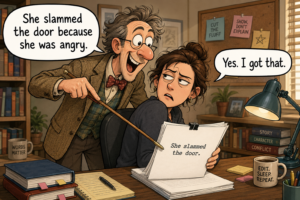
Readers are remarkably good at putting two and two together. Yet many writers, worried that a character’s emotions or motivations might not be obvious enough, add a sentence explaining what the reader has already understood. Those explanations rarely add clarity—they usually weaken the scene. Here’s how to recognize when you’re explaining the obvious, and when an explanation genuinely earns its place.

Theme & Meaning

The Story Beneath the Story

Every story has a plot. A detective solves a murder. A spaceship crew saves a colony. A retired man plants tomatoes. But the stories readers remember long after the last page are rarely about those events alone. Beneath the plot lies a deeper story—the emotional truth, the question being explored, the reason the story resonates. As an editor, one of the most important questions I can ask is: What is this story really about?

Editing

Before You Send Your Manuscript to an Editor

Typing “The End” feels like the finish line—but it’s actually the start of the next phase. Before you send your manuscript to an editor, there’s important work to do first. Let the story rest, read it again with fresh eyes, fix the obvious issues, and understand what type of editing your book really needs. The more polished your manuscript is before it reaches an editor, the more valuable—and effective—the editing process will be.

Openings, Structure

Why Most Manuscripts Fail in Chapter One

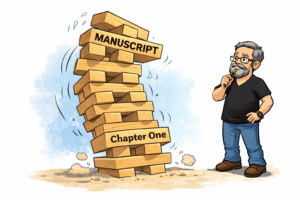
Most manuscripts don’t fail because the author lacks talent—they fail because Chapter One doesn’t do its job. Chapter One isn’t a warm-up, a weather report, or a backstory dump. It’s a promise to the reader about what kind of story they’re about to experience. If nothing is off-balance, nothing is at risk, and nothing is changing, the reader is left asking the most dangerous question in fiction: Why am I here?

Editing

Why Good Editing Feels Invisible

Good editing doesn’t draw attention to itself. When it works, readers never notice it at all — they simply fall into the story. Editing isn’t about rewriting an author’s voice or showing off clever fixes. It’s about removing the friction that causes readers to hesitate, lose momentum, or quietly stop turning pages.

Editing, Miscellaneous

Why Dictated Manuscripts Require a Different Kind of Edit

Dictation can capture the natural rhythm and momentum of storytelling—but spoken language doesn’t always translate cleanly to the page. Here’s why dictated manuscripts need a different editorial approach, and how careful editing preserves the author’s voice while shaping it into clear, compelling prose.

Editing

The Editing Queue Just Filled Up

If you’ve been thinking, “I should probably get a quote…” — this is your nudge. Editing queues don’t fill in tidy rows; they arrive in waves, overlap, and shift. And once the calendar is full, the only honest answer for new clients is: your start date will be later than you hoped.

Editor and author sharing a meal
Editing

We’re In A Relationship?

The editor-author relationship is professional and reciprocal: clear, honest feedback from the editor, and respect and understanding from the author. In the end, it’s your book — but professional editing comes with professional expectations.

Scroll to Top